We’re standing beside a patch of long grass in our garden, about two metres square. Me and my five-year-old son survey the area, and consider trying to save the tangle of wildflowers. They are just about visible in the middle, but are being overwhelmed by grasses. We decide that it’s best to just cover the whole lot. Next year, we will have our dream of a lush new square of soil right here, to plant whatever we want into.
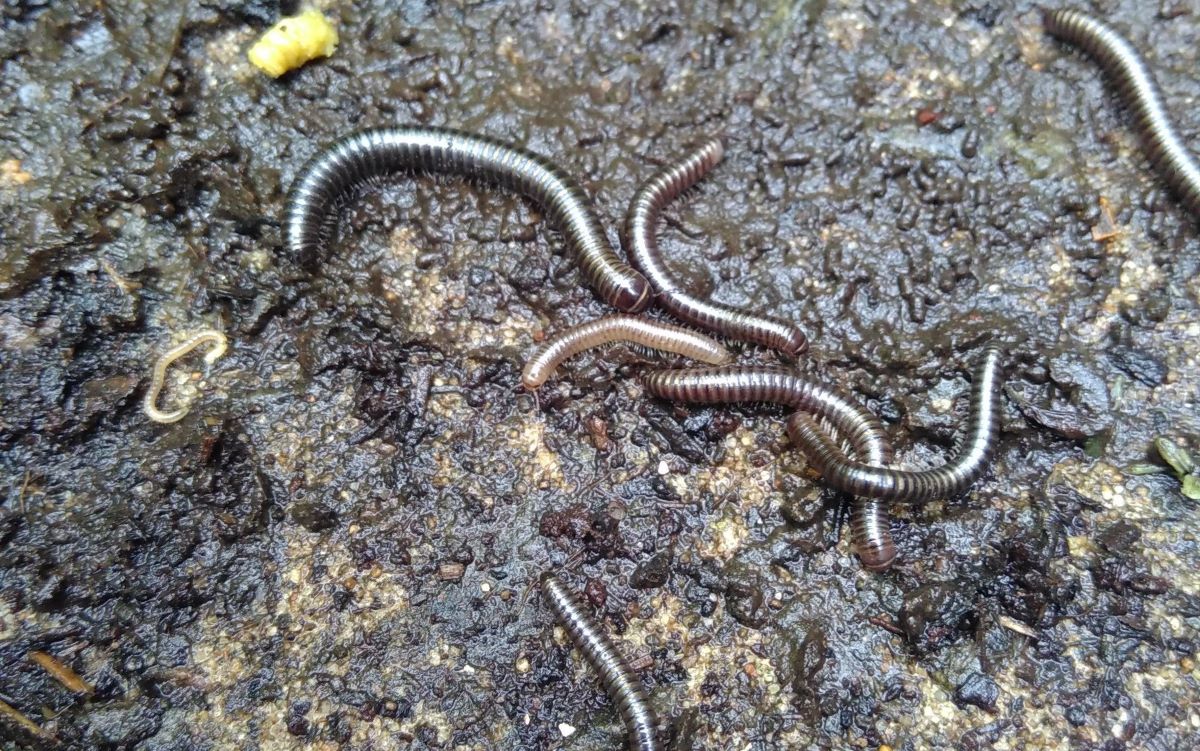
At the edges, the grass has grown out into a thick mat which overlaps the concrete. I can lift it up, and I am peering under a blanket in an attic to reveal forgotten treasures in the dark. As I raise the corner, sunlight hits the ground beneath. Orange centipedes scurry out in all directions, their bodies twisting this way and that, alligator-style. Their sleepier cousin, a millipede, uncurls very slowly, the smooth gunmetal cylinder of her body shining in the sun. I place the grassy blanket carefully back over her.
My son instructs his dad to cut the grass while we’re out, and we head to the park. My daughter claps her gloved hands together in the pushchair, ready for the task ahead.
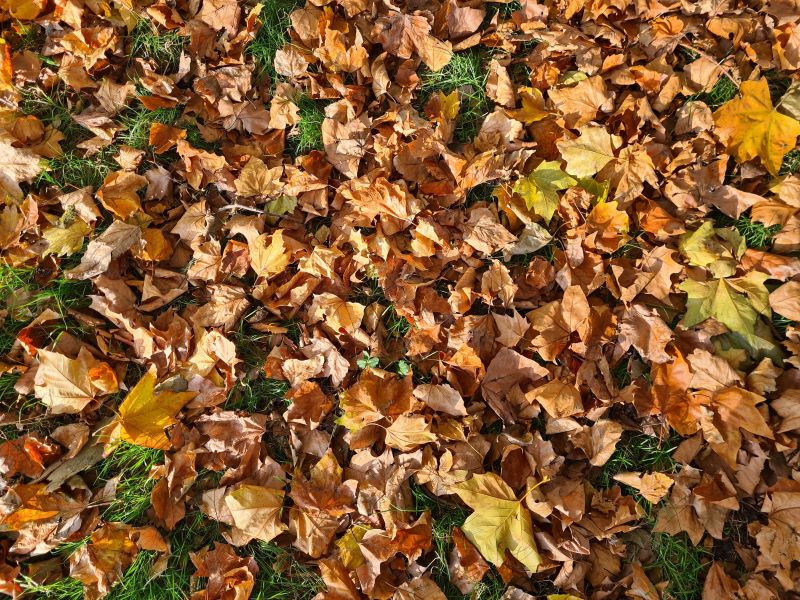
In the playground, we gather bagfuls of crunchy autumn leaves. Scooping up armfuls of brown and yellow plane and beech, we fill up two big sacks. My son spots some insects among the leaves and wonders whether we should make sure to leave any creatures behind in the park. We consider this, and all agree that we’re happy for a few bugs and spiders to end up in our bags, as we’ll be taking them straight to a cosy new home. My daughter brings one last armful of leaves over, we squash them down into the top of our bulging bag and high-five each other. Several people come to ask what we’re doing; why do we need so many leaves? My son is delighted to tell them that we’re mulching.
Back home, we take our sacks into the garden. We open the shed door, cobwebs brushing our shoulders and hair. Cellar spiders hang spindly from the ceiling. Cotton-wool egg sacs nestle in the corners. We pull out boxes of flattened cardboard from the shed, collected three years ago when our project was first conceived.
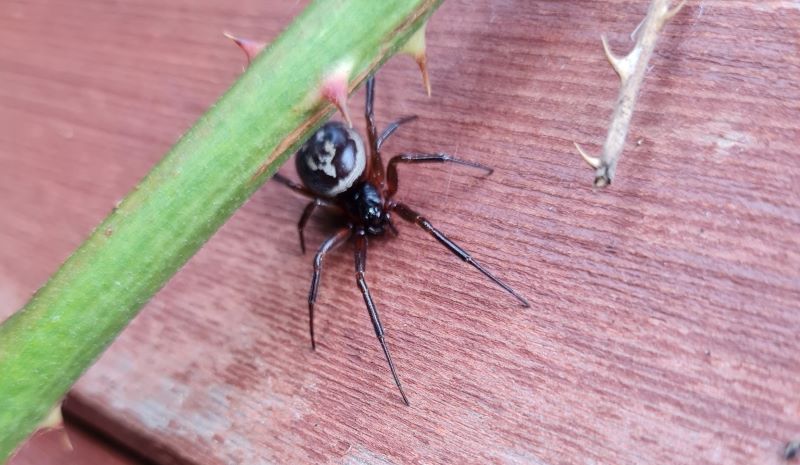
We tug out pieces of cardboard, all different sizes, dotted with snail-chewed holes. A false widow spider crawls out from the dark and I wonder if spiders blink in the sun. We move her under the hedge so she can return to the shadows.
We get to work, laying out pieces of cardboard over the newly cut grass, overlapping their edges so that every inch of green is covered. The aim of this method is to suppress the grass without having to do any digging or turning the soil – first with wet cardboard, then layering it up with organic matter, greens and browns. I have done this once, years before, with a small patch in the centre of this one, where the wildflowers were planted. I am remembering now how much matter we needed, and feeling doubtful that we can gather enough for this much larger space.
Ideally we would have several layers of cardboard, but we manage one good one with no gaps, and feel satisfied. Next my son takes the hose and sprays the cardboard with water, soaking it through. This layering method is known as ‘lasagne mulching’. Our pasta base down, we start filling it up.
We have a lot of leaves, so we start with those, making a crunchy brown layer over the cardboard. Then we scoop out the contents of our compost bin. It’s a disappointing hoard. Last year, after rats moved into the compost bin, we stopped adding any vegetable and fruit peelings, so since then the bin has just been fed coffee grounds and the odd handful of garden cuttings. None of this has been broken down very much yet, but has made a good home for enormous slugs and industrious woodlice. We need all the matter we can get, though, so I start by pulling off a twiggy mass at the top. A thousand woodlice tumble out with it, most of them tiny. We apologise for the calamity and, as we spread the nest over our leaves and cardboard, we wish them well making a new home.
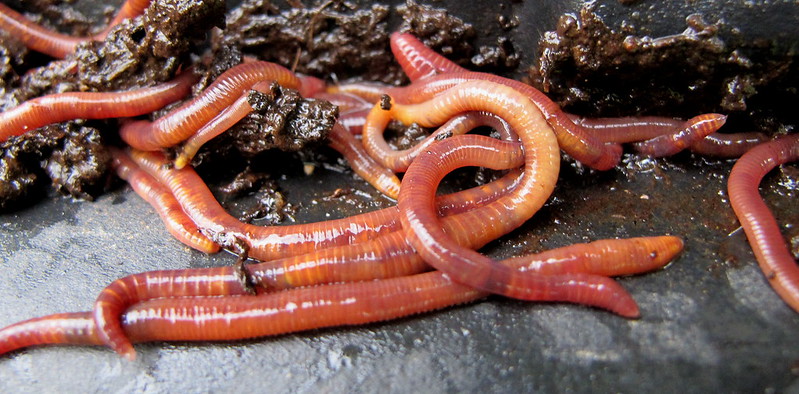
At the bottom of the bin we’re happy to find a delicious thick layer of black compost. I scoop it up with care as the heads of red worms appear and writhe in the surprise of fresh air. I’m happy to see them here, and amazed that these specialist annelids found their way to our compost habitat. I am grateful for their hard work as I take about half of the compost away to add to our lasagne.
We layer a blanket of grass clippings on top. We find two sacks of woodchip, processed from the lopped branches of the fast-growing willow tree in the corner of the garden, and spread those over the grass. We also discover three bags of deliciously soft dark mulch, transformed from leaves gathered three years ago and left behind the shed to be decomposed. On top of that goes another layer of leaves – four big bags from the park this time – and then more water before we cover it with a huge tarp.
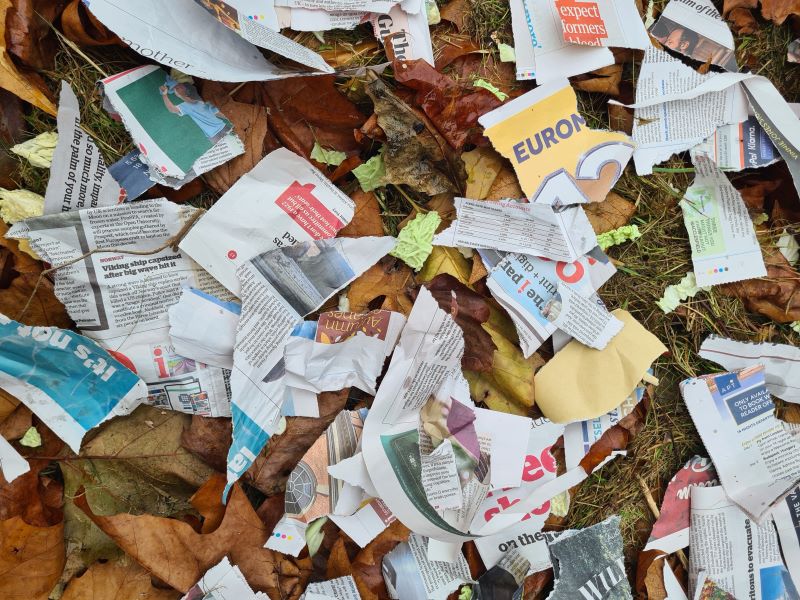
We stand back to take in our work. It’s not very high; we will need many more layers – but we’ve had a lot of fun, and over the coming weeks we will pile on kitchen waste, newspaper and more. My garden projects are uncommon and very imperfect, but I like that the garden is a place where we can do things messily, make it up as we go along, and see what happens. We’ve met a whole bunch of six, eight, fourteen, thirty and hundred-legged friends, as well as our wonderful worms and slugs. Many of them play a role in breaking down our grasses, cardboard, woodchip and leaves into compost that we can grow in again. We like to believe we’re working the soil, I think, but the truth is we’re just helping it along a little. As always, it’s the little creatures doing all the work.
 small world