
Wildlife lovers (aren’t we all?) in Bristol are lucky to have the excellent BS3 Wildlife Group, established in 2017 to help people discover and support the amazing wildlife in our city. The group includes an active online community with well over 2,000 members who share their wildlife sightings and support each other in helping local wildlife – as well as airing grievances about the council’s overzealous spraying of herbicides and cutting of hedges. BS3 Wildlife Group members also enjoy an informative and entertaining weekly newsletter which goes out to hundreds of people, mostly focused on South Bristol but also beyond. It’s always inspiring to read how much activity is going on to help wildlife week by week – from bat detecting, to creating urban nature reserves, to organising meetings with councillors to secure commitments for wildlife.
So it was a pleasure to attend the recent Insect Day at Sparks in Bristol, organised by members of this group, as I knew it would be buzzing with interesting folk sharing their projects and ways we can help wildlife in our city.

Nature connections
A big theme of the day was about networks and connections: connecting people and groups in order to create networks for wildlife. We were encouraged by Butterfly Conservation UK to see our gardens and windowboxes as part of a network of green spaces for bees and butterflies. Even the smallest of spaces can be transformed into a wild space for insects and be a butterfly pitstop, part of this important nature network.
I was excited to hear that Butterfly Conservation have plans to work with primary schools in Bristol to create habitats for pollinators on school sites, which will support nature-based learning and create new opportunities for children to connect with nature, as well as benefitting wildlife.
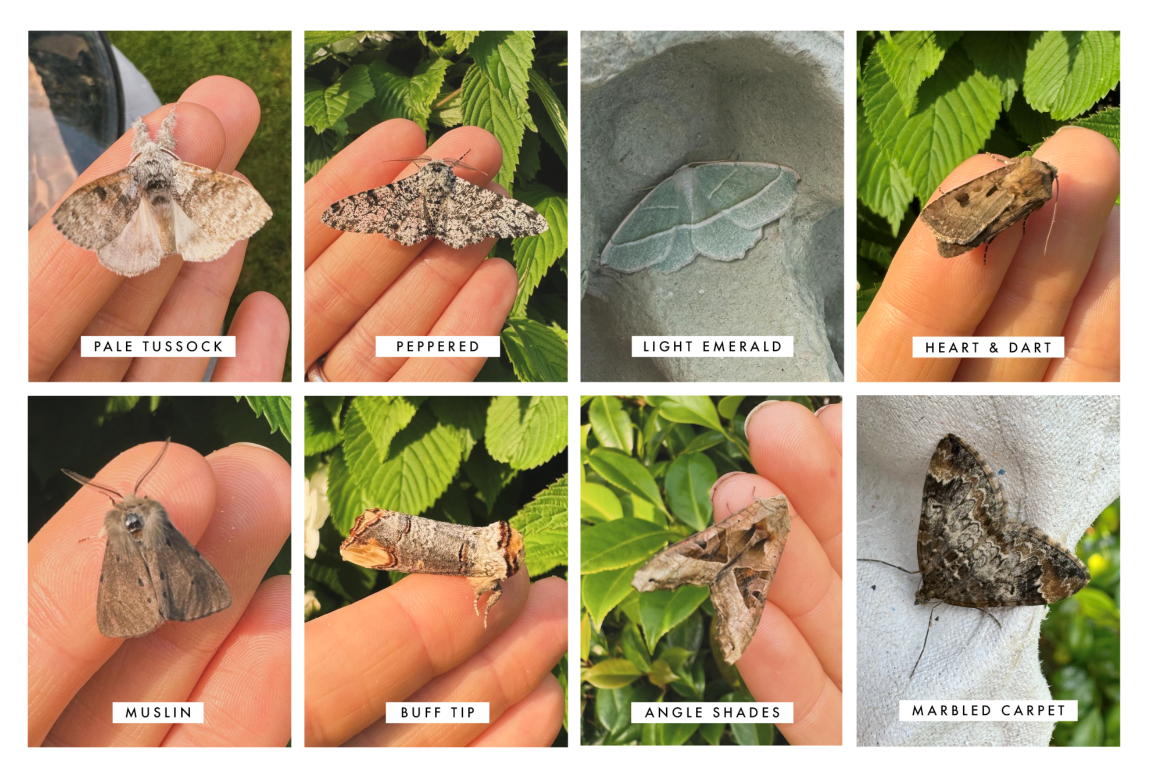
I was also thrilled to connect with the fabulous BS3 Moth Club who are recording moths in gardens and parks in Bedminster. Here are some of their recent findings:
A rich tapestry
Some of the larger green spaces around the city are home to an astonishing array of insect species. At Troopers Hill, one of our only heathland sites in Bristol, patches of bare earth provide habitat for solitary bees and over 84 different species of bee have been found there. At Stoke Park over 23 species of dragonflies and damselflies have been recorded, as well as glow worms – which have also been found further south at Stockwood Open Space. Ashton Court is designated as a Site of Special Scientific Interest (SSSI) because of invertebrates which feed off the various decaying wood to be found there. Avon Gorge is also an important site for insects including the small blue butterfly and the silky wave moth.
At Insect Day we heard about the council’s work to maintain a variety of natural habitats across the city, for example by haycutting grasslands to help wildflowers, and creating more ponds. They also survey wildlife in these green spaces, which you can get involved with.
Spray what?
Unfortunately for Bristol’s insect life, the council does still spray harmful herbicides (glyphosates) to control unwanted plants. Their target is to reduce the use of glyphosates by 50% by 2030, but they say there are some areas like roadsides and pavements where there aren’t any alternatives. There’s an opportunity here for local groups to take control of their own spaces, and pull up plants growing in the wrong place by hand. In play areas the council uses power hoses instead of chemicals, which is better – but that uses a lot of water. Managing the needs of people and wildlife is often a tricky balancing act, it seems.
Why help insects?
Insects are amazing! But in case you need another reason… we heard that birds who are reliant on insects for food are declining faster than others. Helping insects helps birds, too.
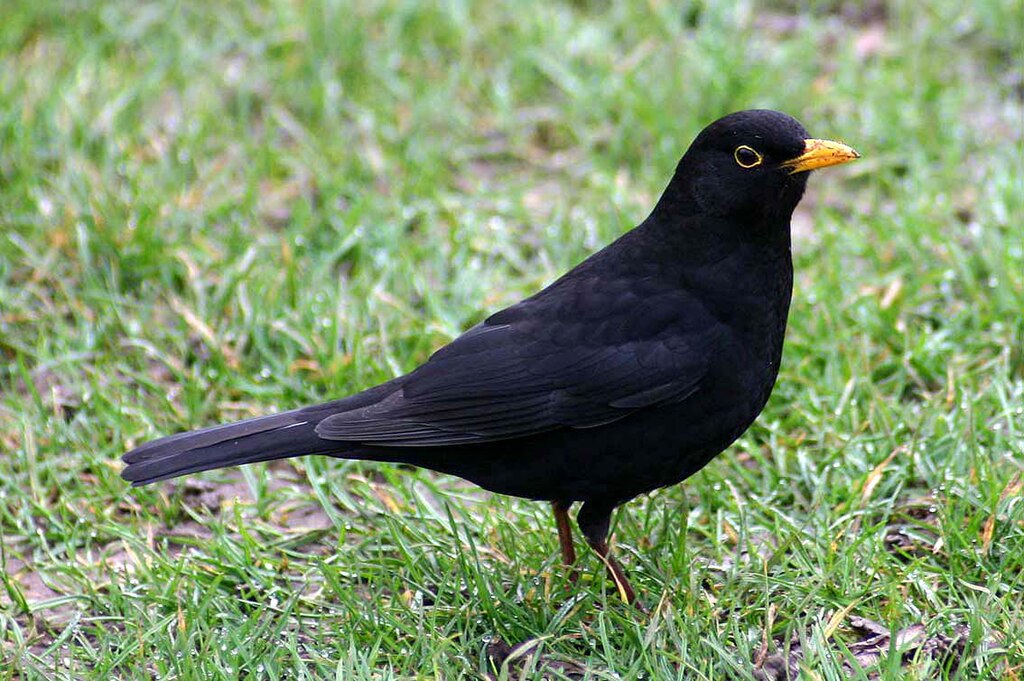
Blackbird by Si Griffiths, CC BY-SA 3.0, via Wikimedia Commons
How can you help insects in Bristol?
There are so many ways!
- Wherever you live, you can create a wild space. There is advice on transforming a balcony, garden or patio on the Wild Spaces website – and you can even add your wild space to a map.
- You can volunteer to monitor wildlife in parks and green spaces.
- Take part in the Big Butterfly Count between 12th July – 4th August 2024, and help conservationists assess the health of the UK’s butterflies.
- Send wildlife records to the Bristol Regional Environmental Records Centre (BRERC) and help build their extensive collection of biodiversity data for the region.
- Join a BioBlitz! This is a collaborative event to record as many species within a given time. There’s a BioBlitz happening at Arnos Vale on 9th June, organised by RSPB. Or find out how to join or organise a BioBlitz from the Bristol-based Natural History Consortium.
- Most of all – get out into parks and green spaces and see who you can spot. I record my sightings of insects and other wildlife on the iNaturalist app, which helps me identify what species I have found as well as contributing to conservation data. It’s amazing to discover the little creatures hanging out on flowers, bushes and branches just near where you live. Enjoy!

 small world
._RHS_Wisley_Garden_Surrey_UK.jpg)